
APA 7 Editing · Publication Coaching
Editing and coaching for psychology, business, and social science scholars.
Compassionate, PhD-level support that honors your voice — and gets your dissertation, article, or book ready to publish. From a Routledge author and certified Motivational Interviewing writing coach.
15+ years · APA 7 specialist · Motivational Interviewing certified · Trusted by scholars at CIU, Sofia University, Routledge, and beyond.
How I can help
Whatever stage you’re at, start where you are. Every project begins with a free sample edit or consultation and a clear, written quote — no surprises, no obligation.
Dissertation Editing
APA 7 copyediting and formatting that gets your dissertation clean, consistent, and defense-ready.
Learn more →Journal Article Editing
Flat-rate developmental, copy, proofreading, and resubmission editing, tuned to your target journal.
Learn more →Book & Proposal Editing
Developmental and copyediting for books and proposals — plus coaching, indexing, and publishing guidance.
Learn more →Writing Coaching
Compassionate, MI-informed coaching to break through blocks and move your project forward.
Learn more →Conference Prep
Abstract editing, posters and slides, talk development, and presentation coaching — ready for the podium.
Learn more →All Services
See everything in one place, compare paths, and find the right starting point for your work.
Explore all services →Rigorous editing, delivered with care
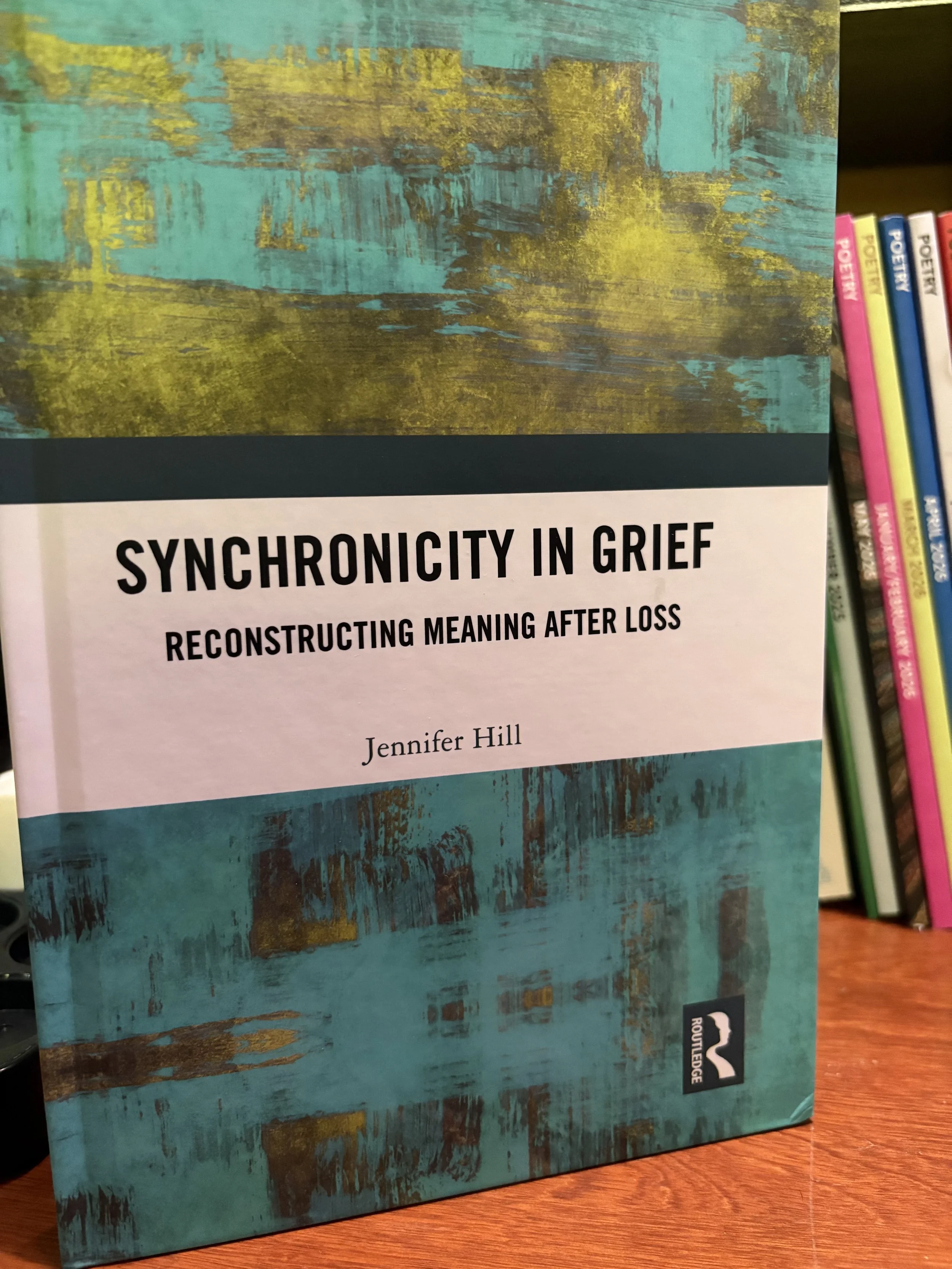
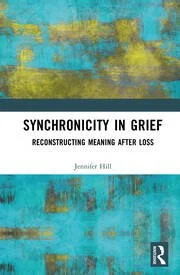
Synchronicity in Grief: Reconstructing Meaning After Loss
I edit from inside the publishing world because I’m part of it too. My first solo scholarly book is out now from Routledge, and the whole journey, from copyedit to page proofs to the index to release day, is chronicled on the blog.
Meet Your Editor
Dr. Jennifer Hill
A Routledge author and journal editor who edits from inside the publishing world, with rigor and real care. If you’d like to know the person behind the edits, come say hello.
1:1 Publication Coaching
From Dissertation to Publication
Your dissertation doesn’t have to sit on a shelf. My one-on-one Dissertation-to-Publication coaching helps you turn it into published articles — or a book — with structure, accountability, and an editor who has walked the path. Start with a Publication Strategy Session: a focused 75-minute call plus a written Publication Pathway Map for your work.
What scholars say
“What truly sets Jennifer apart is her compassion and humanity.”— Dissertation Student
“Your professionalism and diligence, with care and compassion, is transcendent in typical Sofia style.”— Dr. Qing (Pamela) Wu, Sofia University dissertation client
“Just to catch you up, after the great work you did, the book got approved and is in the copyediting phase right now.”— Developmental Editing / Book Client
“Our community has benefited so much from your talented mentoring, writing, and editing.”— Notre Dame de Namur University, Clinical Psychology Department
Free · 2-Minute Self-Check
Are You Ready for Editing?
A 2-minute check on where your manuscript is — and what would actually help most right now. Get an instant result, plus a free guide to working with an academic editor, matched to where you are.
Instant result · free guide included · no cost, ever
Let’s get your work into the world.
Start with a free sample edit or a free strategy call, and let’s talk about where you are and where you’d like your manuscript to go.
Latest from the JHMES Portfolio and Academic Writing Blogs
Insights for academic writers
A finished dissertation is not a draft of one book. It is a chest of things you can make from it: articles, a monograph, a course, a talk, a practitioner tool, and more. Here are ten, what in the dissertation feeds each one, and a ten-minute exercise for choosing the first.